Pathology Management
 Dr. Franco
Various gynecologic conditions can affect women throughout life. Regular checkups help prevent or treat issues early. Even without symptoms, we recommend an annual gynecologic exam in adulthood. The most common pathologies are:
Schedule via WhatsAppDysmenorrhea.
That intense menstrual pain that disrupts your daily life and keeps you hunched over is medically known as dysmenorrhea.
Dysmenorrhea is strong abdominal and/or pelvic pain that appears before or during menstruation. It usually begins two days prior and can last 24–72 hours after the period starts. An estimated 25–60% of women experience it.
Vulvovaginitis.
Inflammation of the vulvar and vaginal mucosa with abnormal discharge. It’s very common—about 25% of pediatric gynecology visits. It can affect women of any age.
Vulvovaginitis (VV) can be classified as:
Nonspecific VV: flora with bacteria normally found in the vagina or rectum.
Specific VV: caused by a single germ not usually present in the vaginal flora.
Nonspecific VV accounts for 80–90% of cases in prepubertal girls; this reverses after puberty when estrogen secretion begins.
Polycystic Ovary Syndrome.
An endocrine disorder causing one of the most frequent hormonal imbalances in reproductive-age women. Classic description includes amenorrhea, obesity, and hirsutism (excess hair in unexpected areas).
Treatment varies by age, symptoms, and fertility goals.
Abnormal uterine bleeding.
Bleeding from the uterus that lasts longer than usual and occurs at irregular times. It may be heavier or lighter than normal and appear unpredictably.
Abnormal uterine bleeding (AUB) can present as:
- -Spotting or bleeding between periods.
- -After intercourse.
- -More days than normal.
- -Heavier than normal.
- -After menopause.
It does not occur during pregnancy. Bleeding in pregnancy has different causes—see your specialist promptly.
Uterine Fibroid.
A uterine fibroid is the most common tumor affecting a woman’s pelvis. They rarely become malignant but should be treated if they cause symptoms or potential issues. They can be subserosal, intramural, submucosal, or pedunculated.
More frequent after age 40, influenced by family/genetic factors. Often multiple; also called uterine fibromas or leiomyomas.
What symptoms can a fibroid cause?
Sometimes asymptomatic, fibroids may cause:
- -Bloating or pressure low in the abdomen, gas or constipation.
- -Bleeding between periods.
- -Frequent or urgent urination.
- -Heavy menstrual bleeding, sometimes with clots.
- -More painful periods lasting longer than usual.
- -Pain during intercourse.
Cervical Dysplasia.
Cervical dysplasia is an abnormal change in the cells of the cervix (the lower part of the uterus closest to the vagina).
Cervical cells are very active during fertile years. Constant activity can trigger abnormal growth under certain conditions. HPV infection acquired through sexual contact can lead to premalignant lesions that, if untreated, may evolve into cervical cancer.
Healthy habits help prevent or reduce cervical dysplasia. If it appears, effective treatments exist to eradicate it.
That’s why timely screening tests are so important.

Play one of my most listened episodes on Spotify
Polycystic Ovary Syndrome (PCOS) is a common hormonal condition affecting women of reproductive age. It often begins in adolescence, and symptoms can change over time.

Frequently Asked Questions
Polycystic ovary syndrome is one of the most common gynecologic problems in young women. A stressful, sedentary lifestyle is often a key factor. Ovaries produce unusually high testosterone, a hallmark of this condition.
Keep regular checkups, maintain healthy habits, use barrier protection in sexual activity, attend Pap/HPV screenings, and vaccinate against HPV when indicated.
Work with your specialist to review hormones, adjust lifestyle and nutrition, and use tailored medical treatments when needed.
Comprehensive prevention, diagnosis, and treatment of Cancer

Explore my oncologic surgery services designed to address diverse conditions.

Prenatal Care - Pathology Management - Advanced Colposcopy - Pap Smear
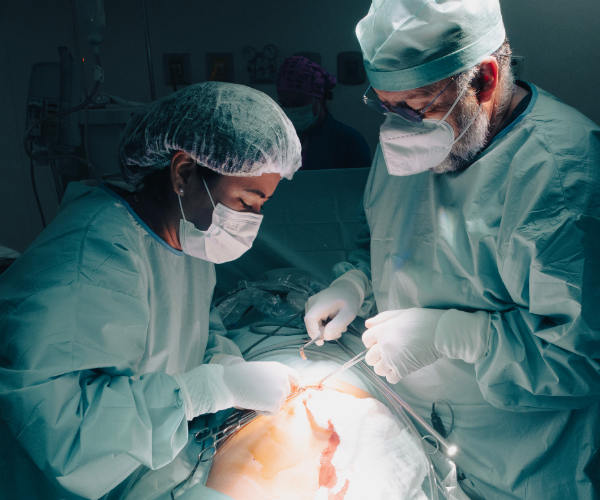
Learn about my gynecologic surgeries designed to improve your wellbeing.
Want to book your next appointment?
Contact via WhatsApp